In the last three decades, tourism in Bali has grown rapidly (80%). Domestic and foreign investors are competing to invest by building various facilities for tourist amenities such as hotels, restaurants, swimming pools, and so on.
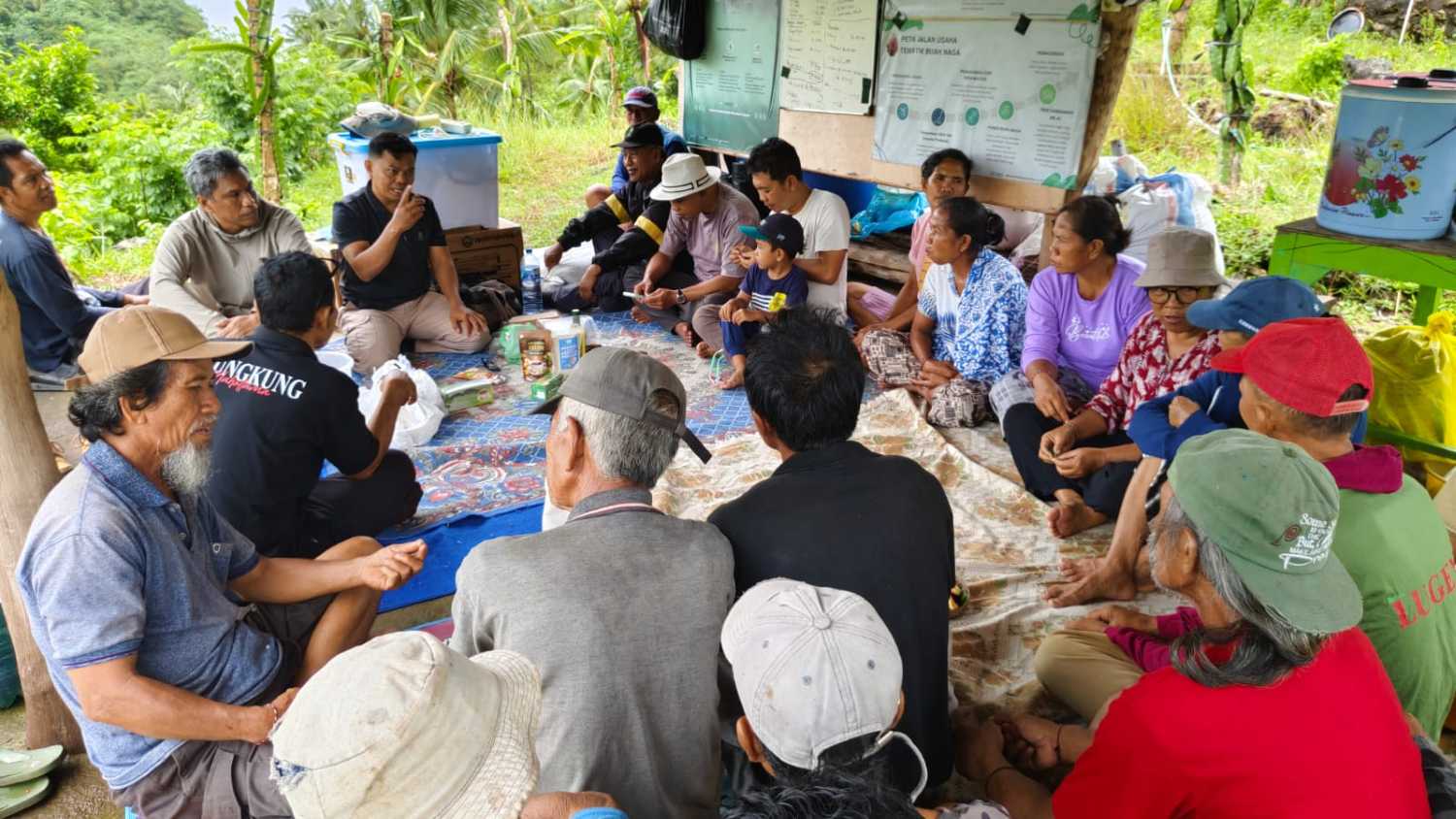
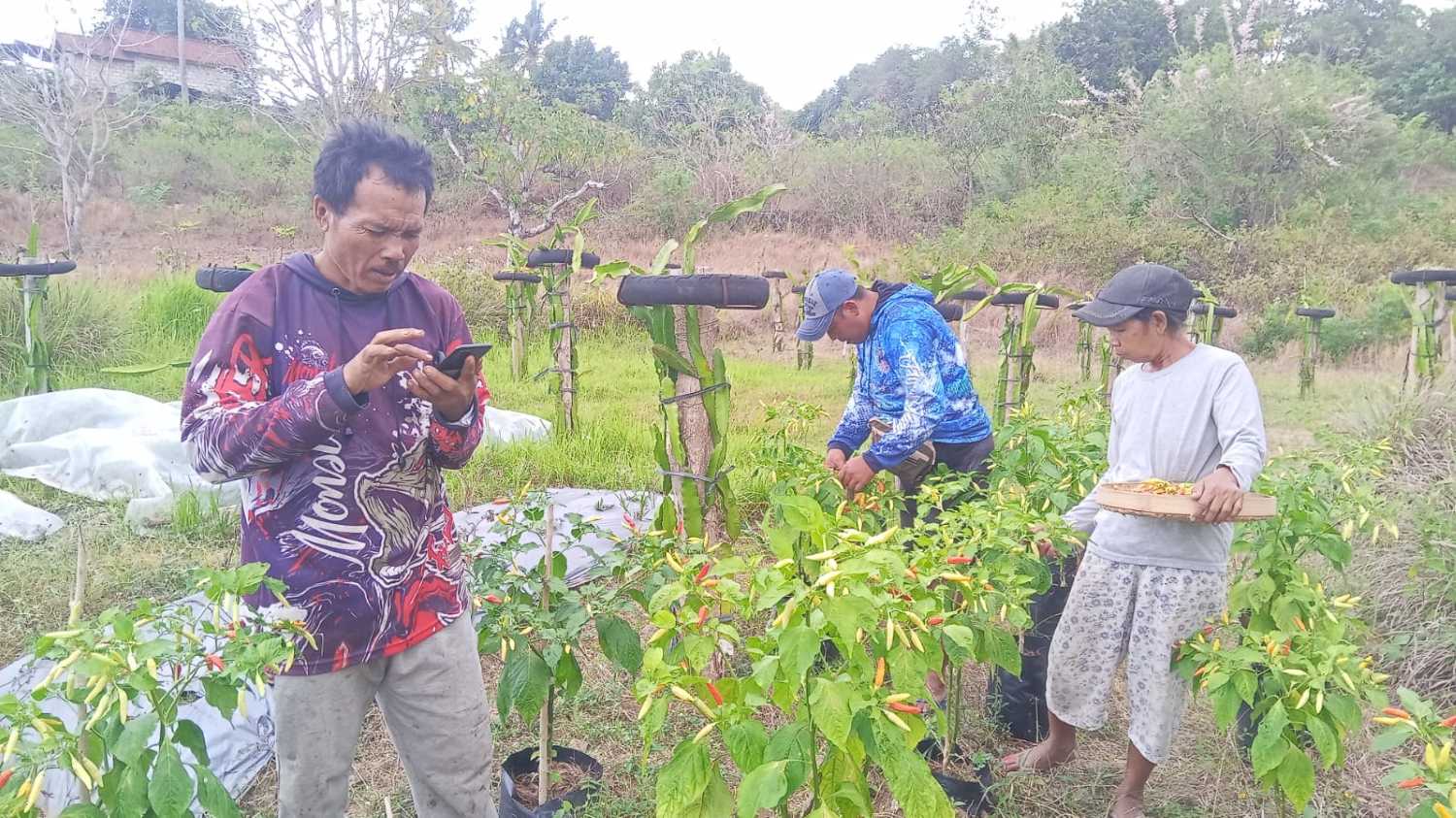
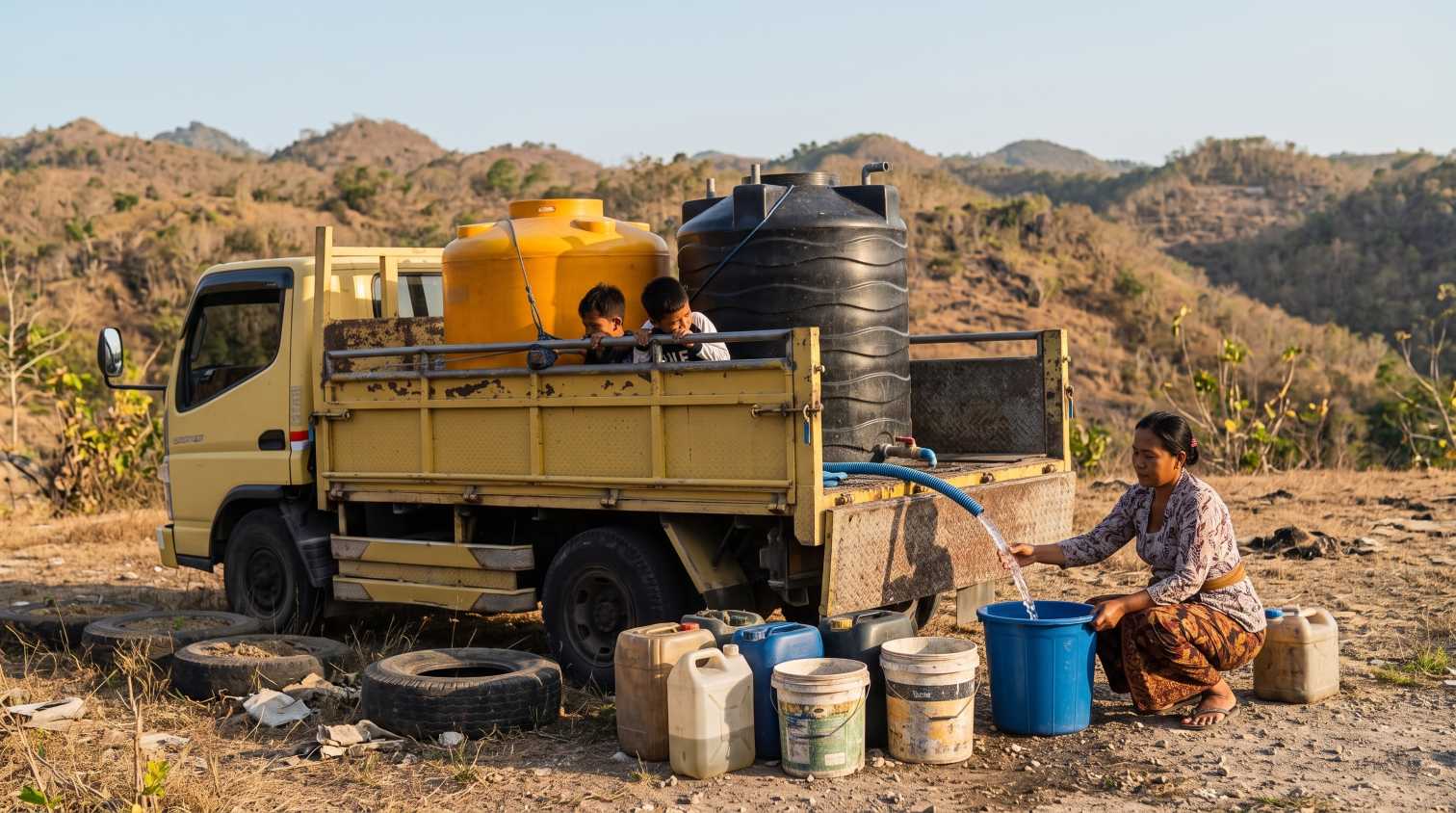
This has led to accelerated land use alteration and high-water consumptions. Cole mentioned that tourism in Bali uses about 65% of water, resulting in competition with agriculture and the daily needs of residents (Cole S., 2012)1. Competition increases especially during the dry season, whether to supply water for tourist or using water for agriculture and personal use, especially in the area where drought and lacking of water occurred. The severe impacts of tourism development, especially in soil and water, are experienced by local communities. The impact directly affects the agricultural sector, a core sector of Balinese culture that is visible in various economic and socio-cultural activities.
Cole's research in 2012 analyzed the use of water in Bali, especially the use of water for tourism development; mentioning, Bali government's great concentration on tourism development, paying less attention to water management which is one of the important resources for the community, both those directly involved in tourism activities and other sectors such as agriculture, industry and housing. Government policies do not touch on efforts to maintain the sustainability of water sources or arrangements based on the sustainability of tourism itself. This has led to many conflicts in the community, both conflicts between sectors, conflicts between administrative areas, and between communities that threaten Bali with water availability insecurity as well as social insecurity.
Deteriorating environmental conditions are a source of water problems and the risks. McCarl and Reilly mentions the long-term global climate change, intensity and spatial distribution patterns, as well as temporal rainfall are among the cause water crisis in quantity, quality and continuity are (McCarl and Reilly, 1999 & Stern et al., 2006)2. Floods and droughts are becoming more frequent, posing great risks to the agricultural sector in several regions of Bali. Sooner or later, the threat of water crisis, is expected to become a serious problem in Bali.