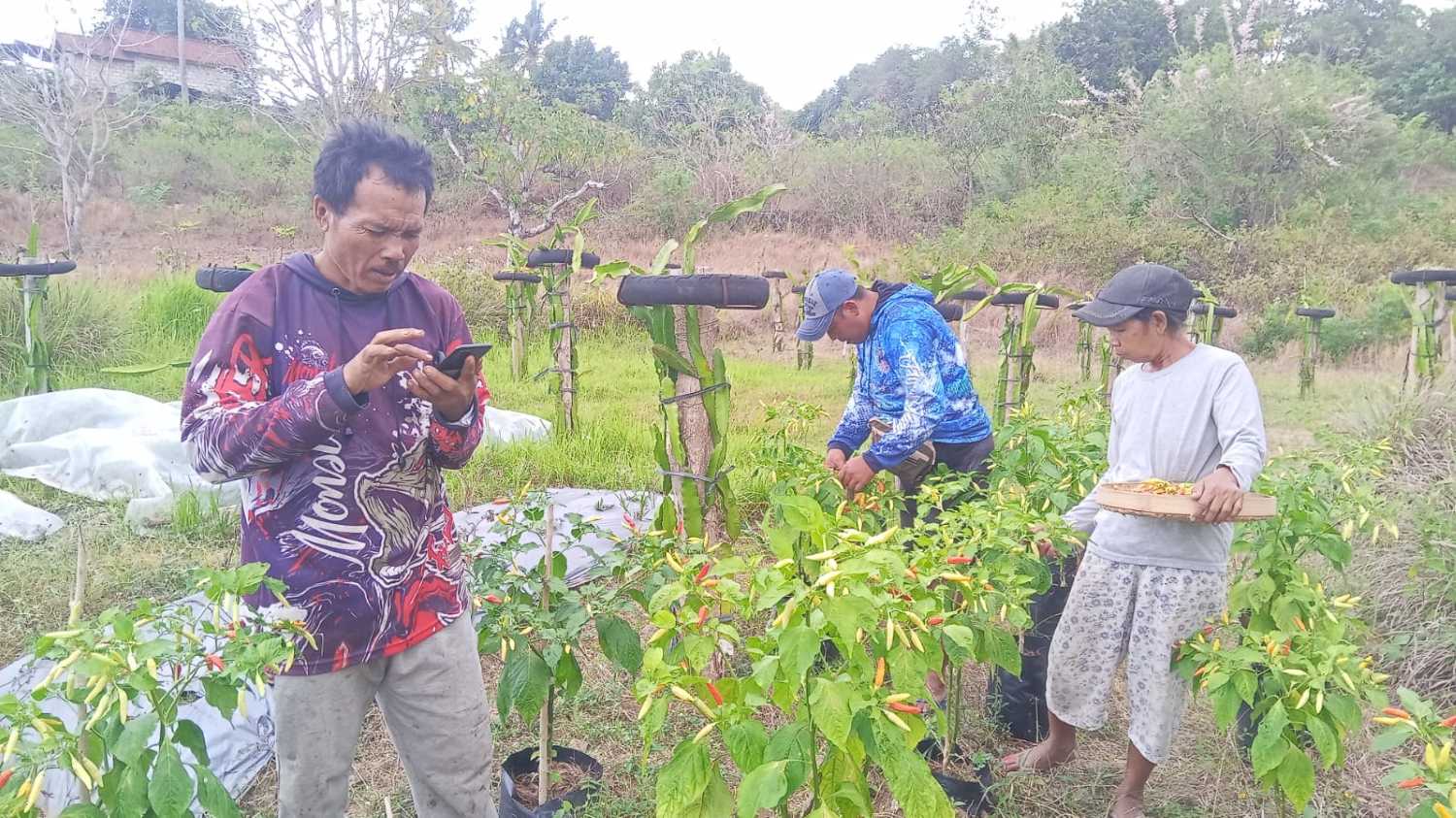
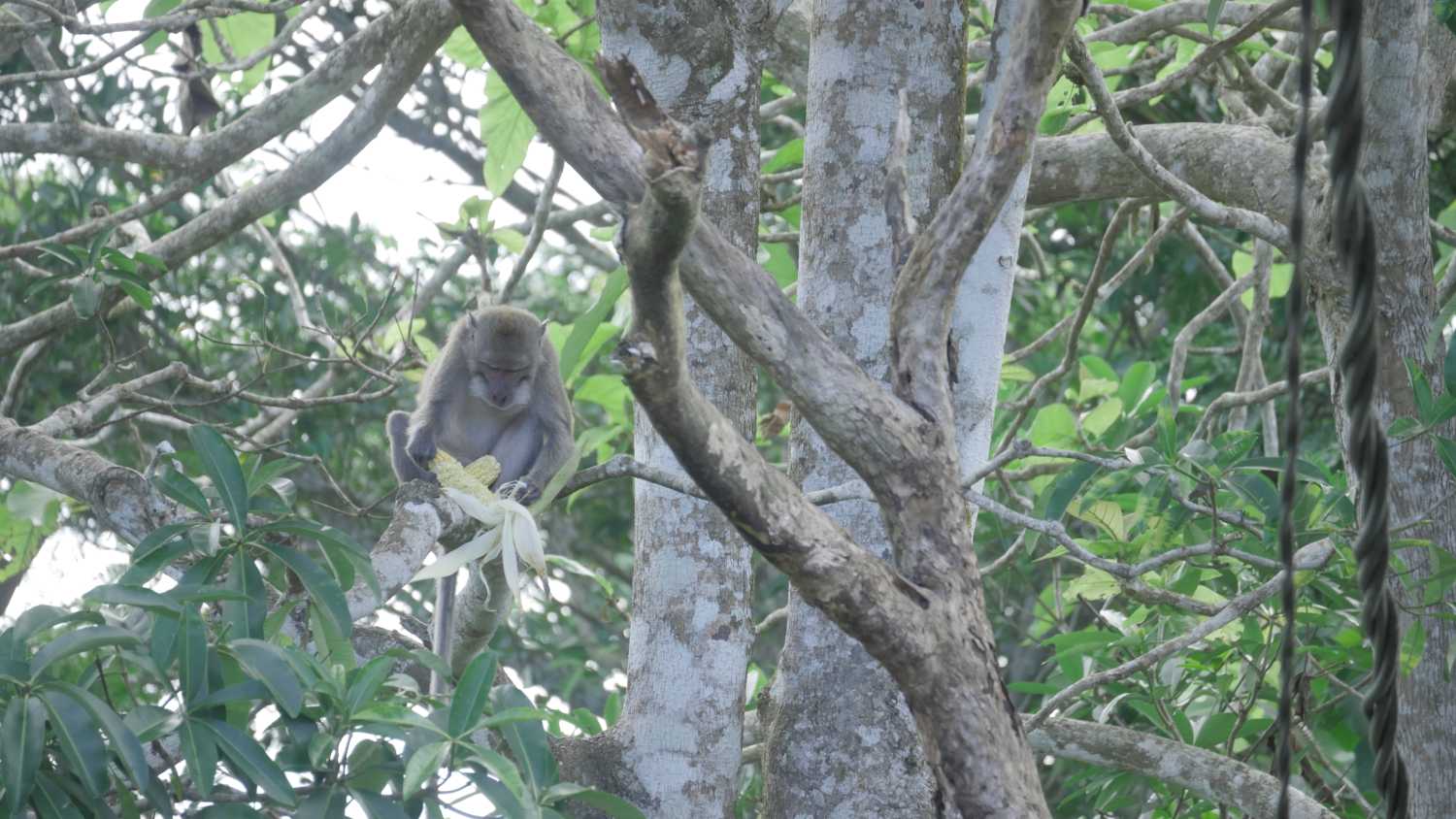
A Real Threat to Farmers in Nusa Penida. In several villages in Nusa Penida, farmers have reported damage to corn, cassava, legumes, and horticultural crops.
Monkey raids frequently occur in the morning and late afternoon, when groups descend from their natural habitats to local farmlands. In many cases, farmers feel powerless because traditional deterrence methods—such as net coverings or manual guarding—are no longer effective. This phenomenon does not occur in isolation. Environmental observers and local communities link the increasing conflict to the shrinking habitat of wildlife.
Changes in land use resulting from tourism development, settlements, and the degradation of forests and natural shrublands have reduced natural food sources for monkeys. Consequently, monkeys are driven into agricultural areas as an easily accessible alternative food source.
“Monkeys rarely used to enter the fields, but now damage occurs almost every planting season,” said a farmer from eastern Nusa Penida. The economic losses experienced by farmers are not limited to reduced harvests but also include increased labor burdens due to the need for intensive field guarding”
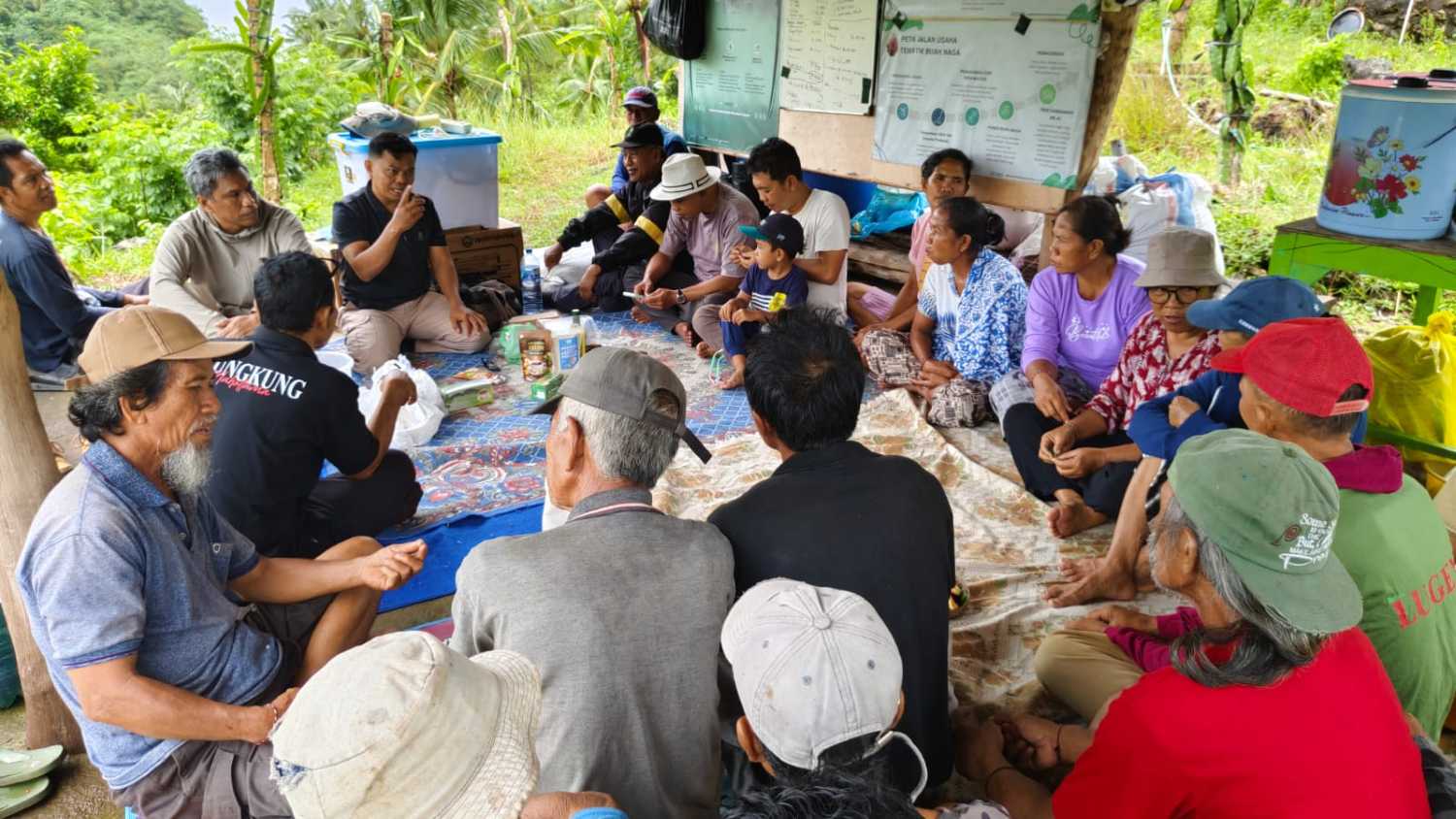
To date, effective and sustainable solutions remain difficult to find. Wildlife population management requires conservation- and policy-based approaches, while crop protection demands adaptive technologies and land management systems. Meanwhile, local communities hope for collaboration among government, academics, civil society organizations, and farming communities to formulate fair and sustainable strategies for mitigating human–wildlife conflict.
The conflict between monkeys and farmers in Nusa Penida reflects a broader challenge: how to maintain a balance between development, biodiversity conservation, and the sustainability of local livelihoods. Without coordinated intervention, the risks of farmer losses and increasing pressure on wildlife are expected to continue rising in the future.