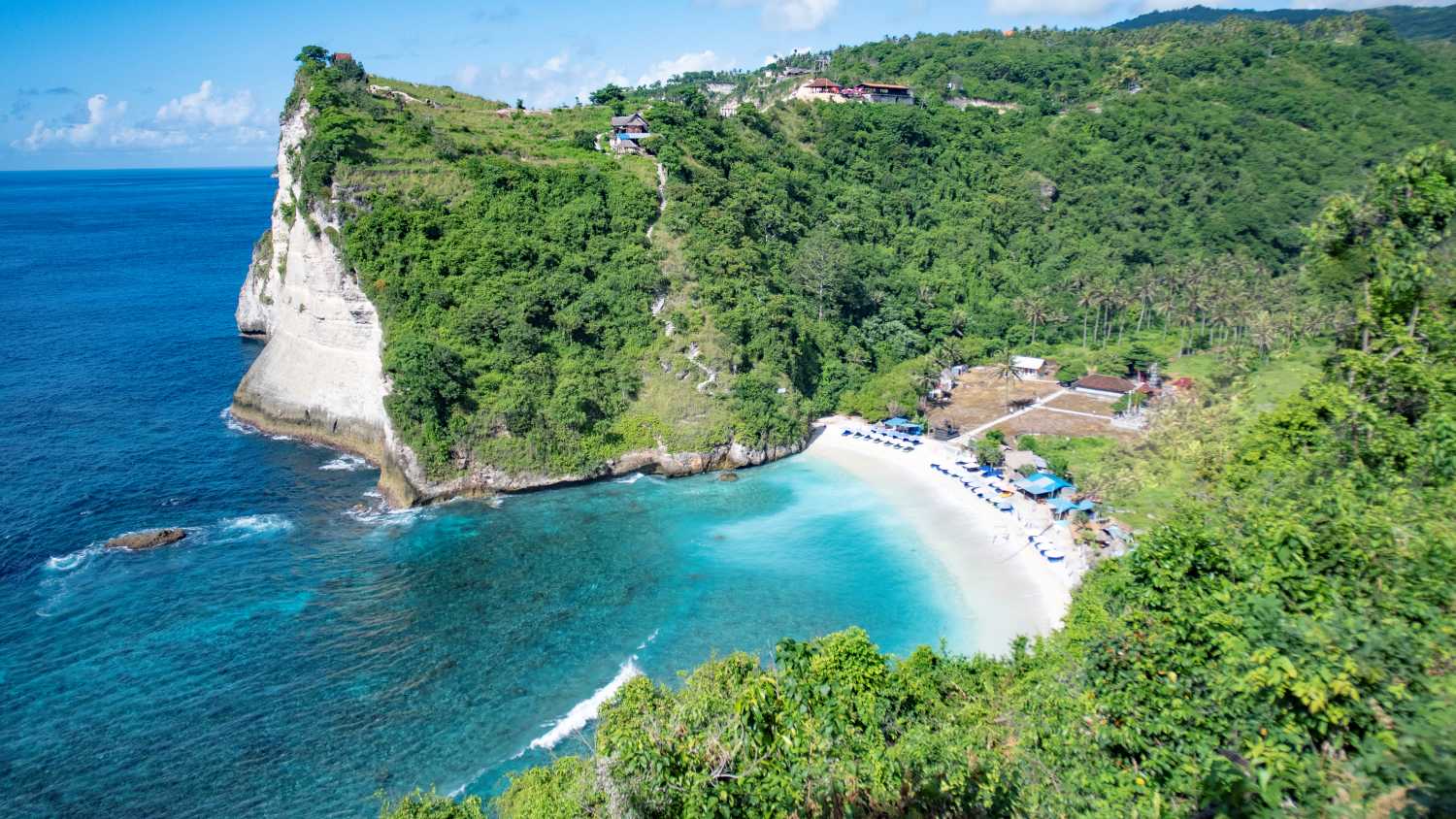
For decades, the island of Bali has been known as an icon of Indonesian tourism and one of the world’s most popular travel destinations. Its natural beauty, rich culture, and the hospitality of its people have made tourism the backbone of the regional economy.
However, behind the image of the “Island of the Gods,” climate change has become a real threat that is beginning to affect the attractiveness, operations, and sustainability of Bali’s tourism industry.
Bali’s dependence on the tourism sector is extremely high. Approximately 80% of Bali’s economy relies on tourism, making this sector highly sensitive to environmental changes and natural disasters. https://www.kompasiana.com/chusnul64830/68dfd9b8ed64151808217aa2/kerusakan-ekologis-dan-budaya-sebagai-dampak-dari-pariwisata-massal?page=1&page_images=4&utm
Coral Bleaching: A Threat to Marine Tourism
One of Bali’s main attractions is marine tourism—diving, snorkeling, and surfing. However, this sector is increasingly threatened by ocean warming.
In 2024, a major coral bleaching event occurred in Bali:
- Approximately 90% of coral reefs in Bondalem bleached due to rising sea temperatures.
- Globally, 54% of the world’s coral reef areas experienced heat stress, signaling a major marine ecosystem crisis.
These conditions directly affect tourism:
- Snorkeling, diving, and marine tourism activities are disrupted.
- The decline in marine ecosystem quality reduces tourism attractiveness.
Tourism research indicates that extreme weather can reduce tourist visits by up to 30% during severe seasons. This means that marine ecosystem degradation is not only an environmental issue but also an economic threat.
https://www.reuters.com/business/environment/coral-bleachings-devastate-bali-reefs-sea-temperatures-rise-2024-07-05/?utm
https://penelitianpariwisata.id/dampak-perubahan-iklim-terhadap-pariwisata-pantai-di-indonesia/?utm
Extreme Weather and Flooding: A New Threat to Tourist Destinations
Changes in rainfall patterns have become one of the most noticeable impacts in Bali. Increased rainfall intensity has led to major flooding.
In 2025, Bali experienced:
- The worst flooding in more than a decade
- Loss of life and damage to infrastructure
Scientists state that climate change is causing:
- More extreme rainfall
- More frequent and severe flooding
Impacts on tourism include:
- Damage to tourism facilities
- Disruptions to transportation
- A decline in the perceived safety of the destination
Changes in Tourist Behavior Due to Climate
Climate change is also influencing tourist preferences. Global surveys show that:
- 67% of travelers are now more interested in sustainable tourism.
- Many tourists avoid outdoor activities during periods of extreme heat.
This means that nature-based tourism, which is a key strength of Bali, risks losing its appeal as temperatures rise and weather patterns become increasingly unpredictable. https://ecotourismbali.com/id/2024/11/25/sayangnya-perubahan-iklim-itu-nyata-dan-kita-harus-cepat/?utm
Waste, Overdevelopment, and Environmental Carrying Capacity
Climate change exacerbates a longstanding issue: overtourism.
Key facts:
- Bali generated 1.2 million tons of waste in 2024.
- Waste has increased by 30% since 2000.
These environmental problems intensify climate impacts:
- Waste exacerbates flooding
- Land-use conversion increases disaster risk
- Environmental carrying capacity is increasingly under pressure
Experts assess that without sustainable tourism, Bali’s attractiveness may be threatened in the long term.
https://www.kompas.id/artikel/kelestarian-pariwisata-bali-tanggung-jawab-bersama?utm
Socio-Economic Impacts on Local Communities
Climate change affects not only the environment but also local communities. When tourism activities are disrupted:
- Tourism-related income declines
- Employment opportunities are threatened
- Economic dependency increases
The pandemic demonstrated how vulnerable Bali is:
- Tourist arrivals dropped by up to 90% during the crisis.
- Tourism sector revenue declined by 85%.
Climate change has the potential to create similar recurring crises if not anticipated. Therefore, it is essential for tourism businesses to transition toward low-carbon and sustainable tourism. Collaboration among government, businesses, and local communities is key to building a tourism industry that is not only economically beneficial but also environmentally responsible.
This collaboration is not only relevant for mitigating environmental impacts but also for ensuring that tourism development does not compromise environmental conservation and the socio-cultural well-being of local communities, while continuing to progress sustainably. In principle, tourism businesses can make positive contributions through the capital and access they possess, including the use of renewable energy, integrated waste management, water conservation, and the promotion of low-carbon tourism.
Local communities possess traditional wisdom in environmental stewardship and play a crucial role in the sustainable management of natural resources. When both parties collaborate—for example, in the development of community-based ecotourism, the preservation of green areas, or environmental awareness campaigns for tourists—a tourism model emerges that is not only environmentally friendly but also equitable, rooted in local values, and capable of building a sustainable economy.
This synergy also has the potential to strengthen community resilience to the impacts of climate change, reinforce local cultural identity, and create inclusive green economic opportunities. Therefore, building partnerships between the business sector and local communities is not merely an adaptation strategy, but a pathway toward a tourism transformation that is sustainable, resilient, and ecologically responsible.